At the Dr. Atul Jaspal Bone and Joint Clinic in Paschim Vihar, Dr. Atul Jaspal provides expertise in Pelvi-Acetabular Surgeries, using precision techniques to restore stability, alignment, and mobility while reducing the risk of complications.
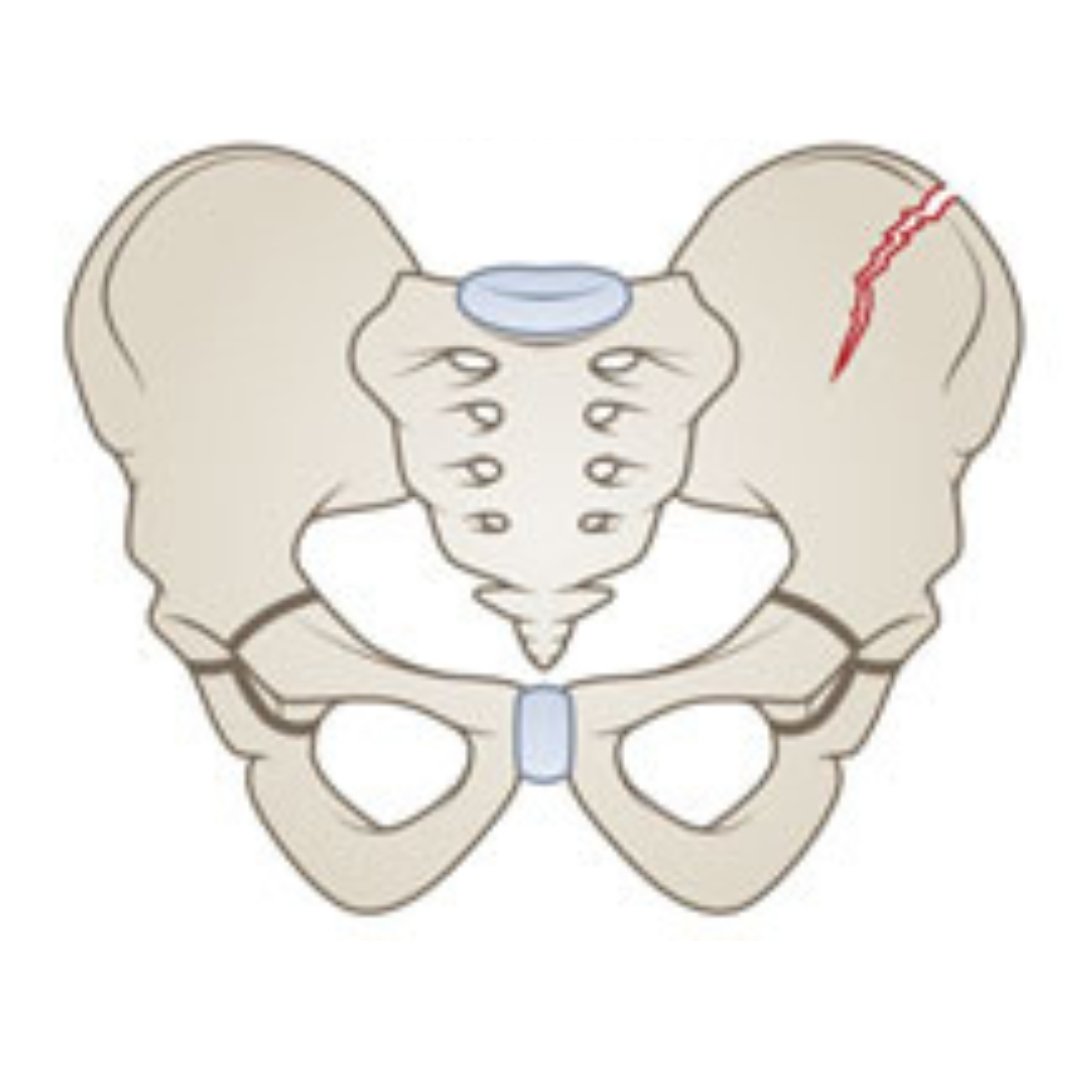
Pelvic and acetabular fractures are some of the most complex and high-impact injuries in orthopaedics. These injuries usually result from high-energy trauma such as road accidents or falls from height and require highly specialized surgical expertise.
At the Dr. Atul Jaspal Bone and Joint Clinic in Paschim Vihar, Dr. Atul Jaspal provides expertise in Pelvi-Acetabular Surgeries, using precision techniques to restore stability, alignment, and mobility while reducing the risk of complications.
Pelvic Surgery – Involves treating fractures of the pelvic ring and sacrum.
Acetabular Surgery – Focuses on fractures of the hip socket (acetabulum), which directly affect hip joint function.
These surgeries aim to:
Realign fractured bones
Restore hip joint congruency
Prevent long-term disability and arthritis
Ensure early mobilization for the patient
High-impact road accidents
Industrial or workplace injuries
Falls from significant height
Pathological fractures due to weak bones
Severe pain in the hip, pelvis, or lower back
Difficulty standing or walking
Visible deformity or limb shortening
Internal bleeding and hemodynamic instability in severe cases
Restricted mobility of hip and lower limbs
A comprehensive evaluation is essential due to the complexity of these fractures.
X-rays – Initial assessment of bone alignment and fracture type
CT Scans – Gold standard for acetabular fractures to define fracture lines and displacement
MRI – To detect associated ligament, cartilage, or soft tissue injuries
Ultrasound & Blood Tests – To monitor internal bleeding and organ involvement
Reserved for stable, non-displaced fractures
Bed rest and traction
Pain management and physiotherapy
Regular monitoring with X-rays
Open Reduction & Internal Fixation (ORIF) – Repositioning fractured bones and stabilizing with plates and screws
Minimally Invasive Fixation – Keyhole techniques for certain pelvic fractures
Computer-Assisted Navigation – Improves accuracy and implant positioning
Total Hip Replacement (THR) – In cases where acetabular fracture severely damages the joint surface
Revision Surgery – For failed previous fixations or implant complications
Preoperative Evaluation – Includes hemodynamic stabilization, imaging, and surgical planning.
Surgical Approach – Choice depends on fracture pattern (anterior, posterior, or combined).
Fixation – Precise alignment of fracture fragments with plates, screws, or rods.
Joint Reconstruction – If the acetabulum is damaged beyond repair, a hip replacement may be performed.
Closure & Recovery – Soft tissue repair followed by rehabilitation protocols.
ICU Monitoring (if required) for trauma-related complications
Pain management and DVT (blood clot) prevention
Gradual weight-bearing with crutches or walker
Physiotherapy to restore mobility and strengthen muscles
Follow-up X-rays/CT scans to monitor healing
Recovery Timeline
6–12 weeks: Bone healing phase with restricted mobility
3–6 months: Gradual return to normal activities
6–12 months: Near-complete recovery in most cases
Restores pelvic and hip joint stability
Reduces chronic pain and deformity
Prevents long-term arthritis and disability
Enables early mobilization and independence
Improves overall quality of life after trauma
Surgery is required for displaced, unstable, or complex fractures that cannot heal properly without fixation.
These are complex procedures, but with modern technology and experienced surgeons, the outcomes are highly successful.
Yes, untreated or improperly treated fractures often lead to post-traumatic arthritis. Surgery reduces this risk.
With proper fixation, patients may begin partial weight-bearing in 6–8 weeks, progressing to full weight-bearing in 3–4 months.
With modern surgical techniques, success rates are above 90%, ensuring restored stability and function.
Seamless Appointments for Quality Orthopaedic Care
Expert orthopaedic care by Dr. Atul Jaspal—providing trusted, precise, and patient-focused treatment for all bone and joint problems in Sunder Vihar, Paschim Vihar, Delhi.
Copyright © 2025 Dr. Atul Jaspal. All Rights Reserved. | Designed by Artistry Media