Extremity Trauma Surgery in Delhi

Specialized Treatment for Extremity Trauma

Trauma to the arms, legs, hands, or feet can significantly impact mobility, daily function, and quality of life. Extremity trauma surgeries focus on repairing fractures, dislocations, ligament tears, tendon injuries, and soft tissue damage in the upper and lower limbs.

At the Dr. Atul Jaspal Bone and Joint Clinic in Paschim Vihar, Dr. Atul Jaspal offers expertise in managing extremity trauma cases. His skill in treating simple and complex fractures supports accurate repair, early movement, and long-term functional recovery.
What is Extremity Trauma Surgery?

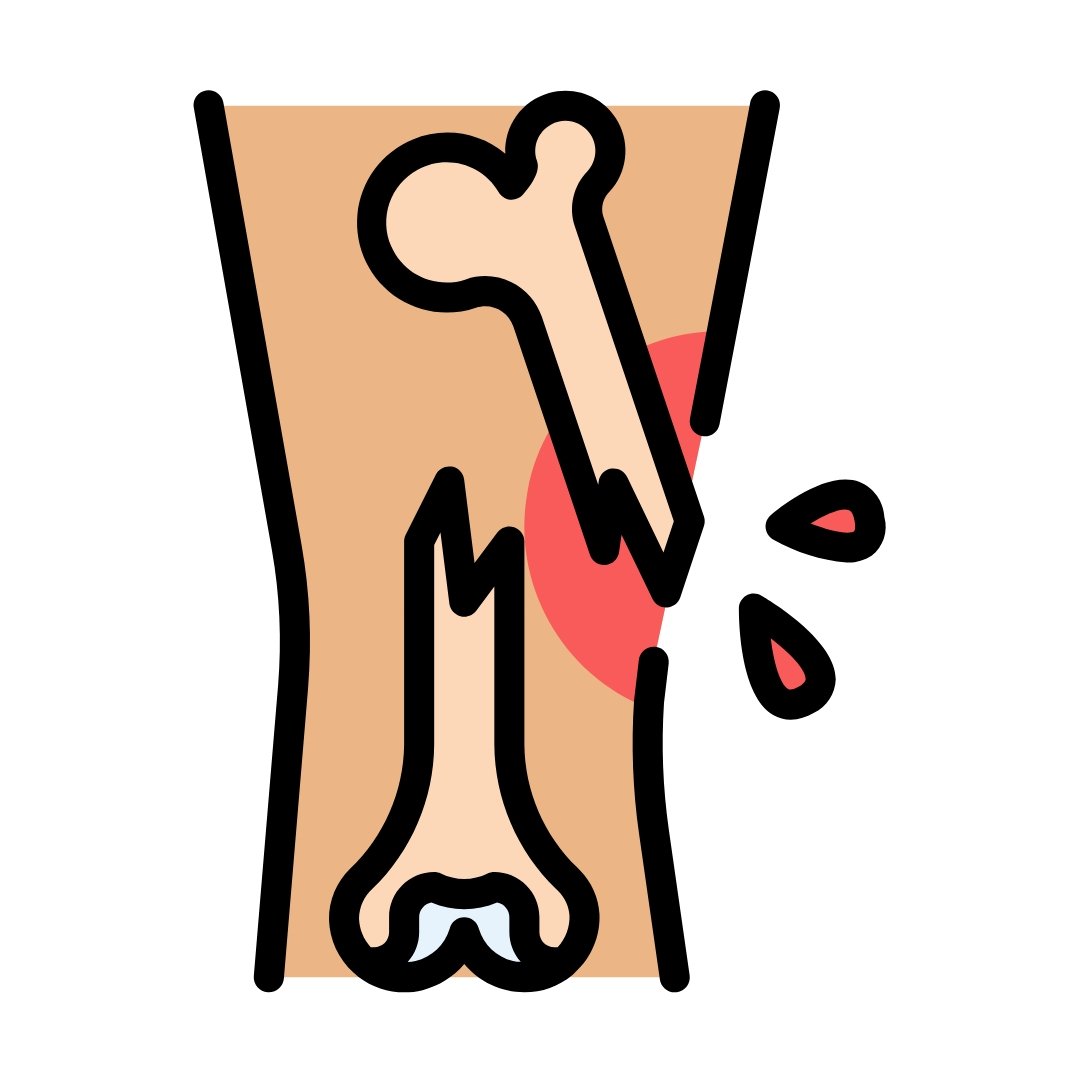
Extremity trauma surgery involves surgical intervention to repair damage to the upper limb—including the shoulder, arm, elbow, forearm, wrist, and hand—and the lower limb, such as the hip, thigh, knee, leg, ankle, and foot. The primary goals of this surgery are to stabilize fractures and dislocations, restore proper anatomical alignment, protect blood vessels, nerves, and soft tissues, and enable an early return to function and daily activities.


Causes & Symptoms of Extremity Trauma

Causes

  • Road traffic accidents
  • Sports injuries

  • Falls from height

  • Workplace or industrial accidents

  • Pathological fractures due to bone weakness

Symptoms

  • Severe pain, swelling, and bruising

  • Visible deformity or abnormal limb position

  • Inability to move or bear weight

  • Open wounds with exposed bone (open fracture)

  • Numbness or weakness due to nerve injury

Diagnosis of Extremity Trauma

Accurate diagnosis ensures correct treatment and faster recovery.

  • X-rays – Identify fracture patterns and bone displacement

  • CT Scan – Detailed evaluation of complex fractures (e.g., joint involvement)

  • MRI – Detects ligament, tendon, and cartilage injuries

  • Doppler/Angiography – Checks blood vessel damage in severe limb trauma

  • Clinical Examination – Assessment of circulation, nerve function, and limb stability

Treatment Options

Non-Surgical Management

  • Casting, splinting, or bracing for stable fractures

  • Pain medications and anti-inflammatory drugs

  • Rest, ice, compression, elevation (RICE)

  • Physiotherapy for rehabilitation

Surgical Management – Extremity Trauma Surgery

  • Open Reduction & Internal Fixation (ORIF): Aligning bones and fixing with plates, screws, or rods
  • External Fixation: Temporary stabilizer for open or complex fractures

  • Minimally Invasive Surgery (MIPO): Small incisions with precise implant placement

  • Intramedullary Nailing: Metal rod placed inside bone for long bone fractures (femur, tibia, humerus)

  • Soft Tissue Repair: Tendon, ligament, and nerve reconstruction

  • Bone Grafting & Reconstruction: For bone loss or non-healing fractures

  • Limb Salvage Surgery: Advanced microsurgical techniques to save severely injured limbs

Procedure Overview

  1. Stabilization – Initial trauma management, control of bleeding, and infection prevention

  2. Imaging & Planning – Detailed mapping of fracture and soft tissue injury

  3. Surgery – Based on injury type, using fixation devices, implants, or grafts

  4. Wound Management – Special techniques for open injuries

  5. Rehabilitation – Early physiotherapy to regain motion and prevent stiffness

Post-Operative Care & Recovery

  • Pain control and wound care

  • Physiotherapy for range of motion and strength

  • Gradual return to weight-bearing with crutches or walker

  • Regular X-rays to monitor bone healing

  • Occupational therapy for fine motor recovery in hand/arm injuries

Recovery Timeline

  • 6–12 weeks: Initial bone healing with limited mobility

  • 3–6 months: Resumption of most daily activities

  • 6–12 months: Full recovery with restored strength and endurance

Benefits of Extremity Trauma Surgery

  • Restores limb alignment and function

  • Prevents long-term disability or deformity

  • Enables early return to work and daily life

  • Reduces pain and improves quality of life

  • Saves limbs in severe trauma cases

Get more Information

FAQs – Extremity Trauma Surgery

Surgery is needed for displaced, unstable, or complex fractures where conservative treatment cannot ensure healing.

Yes, with timely debridement, fixation, and antibiotics, open fractures can heal well.

Depending on the fracture site, weight-bearing may begin in 6–8 weeks, with full mobility in 3–6 months.

Risks include infection, non-union, or stiffness, but with expert care, these are minimized.

With modern limb salvage techniques, many limbs once considered unsalvageable can now be reconstructed and preserved.

Reach Us

Seamless Appointments for Quality Orthopaedic Care

Dr. Atul Jaspal Bone & Joint Clinic

Shanti Mukand Hospital

Expert orthopaedic care by Dr. Atul Jaspal—providing trusted, precise, and patient-focused treatment for all bone and joint problems in Sunder Vihar, Paschim Vihar, Delhi.

Follow Us on
Quick Links
Specialities
Contact Us
  • 91-96509 85398
    91-96509 85398
  • atuljaspal@gmail.com
    atuljaspal@gmail.com
  • 9/314, Ground Floor, Sunder Vihar, Paschim Vihar, Delhi-110087 (Near St. Mark's Sr. Sec. Public School and opposite Punjab & Sindh Bank)

Copyright © 2025 Dr. Atul Jaspal. All Rights Reserved. | Designed by Artistry Media

Scroll to Top