Blog

Your blog category

Blog

The Role of Arthroscopy in Modern Orthopaedic Care

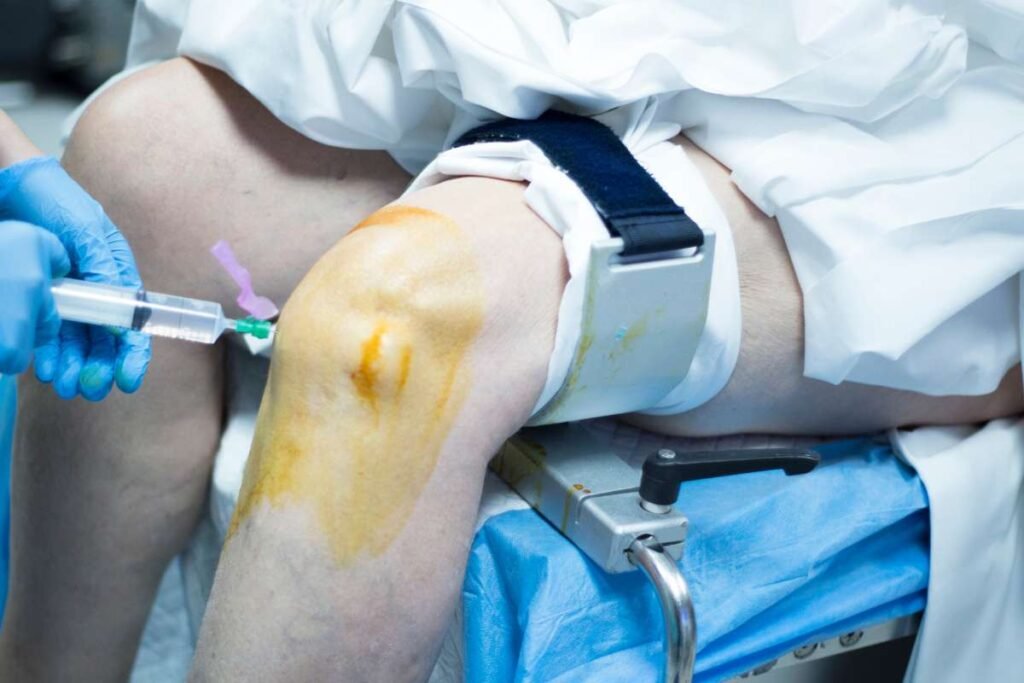
The Role of Arthroscopy in Modern Orthopaedic Care Arthroscopy has transformed how orthopaedic specialists identify and treat various joint disorders. Dr. Atul Jaspal, a trusted orthopaedic surgeon at the Dr. Atul Jaspal Bone and Joint Clinic in Sunder Vihar, Paschim Vihar, Delhi, highlights how this minimally invasive approach leads to quicker recovery, less postoperative discomfort, and fewer complications. Arthroscopy uses a tiny camera (arthroscope) inserted through small keyhole incisions to view the internal structures of a joint. It is commonly performed on the knee, shoulder, hip, and ankle. Conditions like meniscus tears, ligament injuries, cartilage defects, and shoulder impingement are frequently treated using this technique. Compared with open surgery, arthroscopy offers major advantages such as: Smaller incisions with minimal scarring Less pain after the procedure Shorter hospital stay and faster return to routine activities Reduced risk of infection Dr. Jaspal’s expertise in advanced arthroscopic methods allows for precise diagnosis and targeted treatment, even in challenging cases. After the procedure, he provides individualized rehabilitation plans to help patients restore strength, mobility, and joint function efficiently. Patients significantly benefit from this modern method, especially those looking for reliable solutions for sports injuries or early joint degeneration. Recent Posts The Role of Arthroscopy in Modern Orthopaedic Care Comprehensive Care for Complex Trauma Injuries How to Prevent Sports Injuries: Expert Tips from an Orthopaedic Surgeon Understanding Joint Replacement Surgery: A Life-Changing Solution
Blog

Comprehensive Care for Complex Trauma Injuries

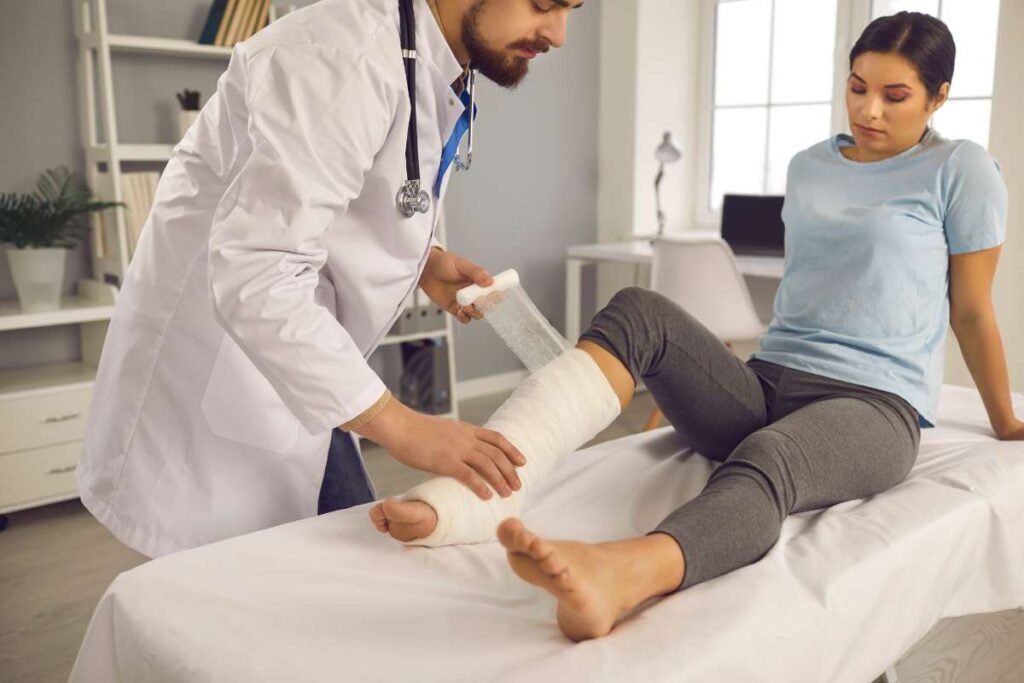
Comprehensive Care for Complex Trauma Injuries Managing complex trauma requires a combination of surgical expertise, advanced medical technology, and coordinated care from multiple specialists. At Max Super Speciality Hospital, Noida, Dr. Sumit Bhushan Sharma, Director – Orthopaedics & Joint Replacement, is highly skilled in handling severe trauma cases involving fractures, joint injuries, and soft-tissue damage. Such trauma commonly results from high-impact accidents, sudden falls, or sports injuries, often leading to complicated fractures, dislocations, and ligament or muscle damage. Dr. Sharma underscores the importance of prompt assessment, precise diagnosis, and a tailored treatment plan to ensure the best possible recovery. Care typically begins with a detailed clinical examination supported by imaging studies like X-rays, CT scans, or MRIs. For complex or unstable fractures, Dr. Sharma may use advanced techniques such as Ilizarov external fixation, specialized trauma implants, or minimally invasive procedures that help reduce tissue damage and speed up healing. Following surgical management, each patient receives a personalized rehabilitation program aimed at improving mobility, rebuilding strength, and restoring joint function. This structured approach also helps prevent long-term issues such as stiffness, chronic pain, or instability. With Dr. Sharma’s patient-focused care and meticulous follow-up, individuals receive comprehensive support through every stage—from the initial injury and surgical treatment to full recovery and long-term joint health. Recent Posts The Role of Arthroscopy in Modern Orthopaedic Care Comprehensive Care for Complex Trauma Injuries How to Prevent Sports Injuries: Expert Tips from an Orthopaedic Surgeon Understanding Joint Replacement Surgery: A Life-Changing Solution
Blog

How to Prevent Sports Injuries: Expert Tips from an Orthopaedic Surgeon

How to Prevent Sports Injuries: Expert Tips from an Orthopaedic Surgeon Staying active is essential for good health, but sports injuries can disrupt your routine, cause pain, and sometimes lead to long-term complications if not handled properly. According to orthopaedic experts like Dr. Atul Jaspal, most sports injuries are preventable with the right habits, preparation, and technique. Whether you’re a professional athlete or someone who enjoys regular fitness, following the right precautions can significantly reduce your risk of injury. Below are practical, evidence-based tips to help you stay safe and injury-free. 1. Warm Up Before Any Activity A proper warm-up prepares your muscles, joints, and heart for activity. Spend 10–15 minutes on light aerobic movements. Add dynamic stretches: leg swings, arm circles, hip rotations. This increases flexibility, improves blood flow, and reduces muscle stiffness—one of the most common causes of strains. 2. Never Skip the Cool-Down Cooling down allows your body to return to a resting state safely. Do gentle stretching for the major muscle groups you used. Hold each stretch for 20–30 seconds. This helps prevent sudden tightness and reduces post-exercise soreness. 3. Build Strength Gradually Weak muscles are more prone to tears and injuries. Add strength training 2–3 times a week. Target the core, hips, and legs—these stabilize your body in almost every sport. Strengthening muscles helps support joints and improves overall control during play. 4. Use the Right Technique Poor form puts extra stress on bones, tendons, and joints. Learn the correct method from a coach or trainer. Replace worn-out equipment such as shoes, braces, or protective gear. Proper biomechanical alignment reduces strains and overuse injuries. 5. Don’t Push Through Pain Pain is your body’s signal that something is wrong. Stop the activity immediately. Apply RICE (Rest, Ice, Compression, Elevation) for minor sprains. Ignoring pain can turn a small injury into a major problem requiring surgery. 6. Stay Hydrated Even mild dehydration affects muscle function. Drink water before, during, and after your workout. For intense training, consider electrolyte replacement. Hydration keeps muscles flexible and reduces cramping. 7. Cross-Train to Reduce Overuse Stress Repeating the same motions every day can overload certain joints. Mix activities like swimming, cycling, yoga, and strength training. This allows overstressed tissues to recover. Cross-training improves overall fitness without unnecessary strain. 8. Wear Proper Footwear Sports shoes must support your specific activity. Replace shoes every 6–12 months depending on usage. Choose footwear that fits well and provides proper cushioning. Wrong footwear is one of the leading causes of shin splints and knee pain. 9. Don’t Forget Rest Days Your muscles repair and strengthen during rest—not during training. Schedule 1–2 rest days every week. After intense sessions, take at least 48 hours before training the same muscle group. Overtraining increases the risk of fatigue, burnout, and injury. 10. Get Injuries Checked Early Early diagnosis prevents complications. If swelling, instability, or recurring pain is present, consult an orthopaedic doctor. Conditions like ligament tears or cartilage damage require timely intervention. Dr. Atul Jaspal emphasizes that delaying treatment often leads to prolonged recovery and higher chances of surgical repair. Final Thoughts Sports injuries may be common, but most can be avoided with proper preparation, safe training habits, and listening to your body. By warming up correctly, using the right technique, and giving your body the rest it needs, you can stay active, strong, and injury-free. For anyone experiencing persistent pain or recurring injuries, seeking guidance from an experienced orthopaedic specialist like Dr. Atul Jaspal ensures accurate diagnosis, personalized care, and a safe return to activity. Recent Posts The Role of Arthroscopy in Modern Orthopaedic Care Comprehensive Care for Complex Trauma Injuries How to Prevent Sports Injuries: Expert Tips from an Orthopaedic Surgeon Understanding Joint Replacement Surgery: A Life-Changing Solution

Blog

Understanding Joint Replacement Surgery: A Life-Changing Solution

Understanding Joint Replacement Surgery: A Life-Changing Solution Joint replacement surgery has become one of the most reliable treatments for individuals dealing with severe joint pain and limited mobility caused by arthritis, injuries, or degenerative joint conditions. Dr. Atul Jaspal, an experienced orthopaedic specialist at the Dr. Atul Jaspal Bone and Joint Clinic in Paschim Vihar, provides expert care in hip, knee, and shoulder replacement procedures aimed at restoring movement and enhancing overall quality of life. Joint replacement involves removing the worn-out or damaged portions of a joint and replacing them with advanced prosthetic implants that closely replicate natural joint movement. While hip and knee replacements are the most commonly performed, shoulder and ankle replacements are also effective options for many patients. The treatment process begins with a detailed evaluation that includes medical history review, imaging tests such as X-rays or MRIs, and a physical examination to determine whether surgery is the right choice. Dr. Jaspal focuses on personalized treatment planning, ensuring the chosen implant and surgical technique suit the patient’s lifestyle, age, and specific joint condition. Whenever appropriate, minimally invasive techniques are used, allowing for smaller incisions, reduced tissue disruption, and a quicker return to daily activities. Following surgery, a structured rehabilitation plan helps patients regain strength, flexibility, and functional movement, supporting long-lasting results. Many patients experience significant pain reduction, better mobility, and an improved ability to perform everyday activities after joint replacement surgery. Dr. Jaspal’s clinical expertise and patient-centered approach play an essential role in achieving successful outcomes and long-term joint health. Recent Posts The Role of Arthroscopy in Modern Orthopaedic Care Comprehensive Care for Complex Trauma Injuries How to Prevent Sports Injuries: Expert Tips from an Orthopaedic Surgeon Understanding Joint Replacement Surgery: A Life-Changing Solution
Reach Us

Seamless Appointments for Quality Orthopaedic Care

Dr. Atul Jaspal Bone & Joint Clinic

Shanti Mukand Hospital

Expert orthopaedic care by Dr. Atul Jaspal—providing trusted, precise, and patient-focused treatment for all bone and joint problems in Sunder Vihar, Paschim Vihar, Delhi.

Follow Us on
Quick Links
Specialities
Contact Us
  • 91-96509 85398
    91-96509 85398
  • atuljaspal@gmail.com
    atuljaspal@gmail.com
  • 9/314, Ground Floor, Sunder Vihar, Paschim Vihar, Delhi-110087 (Near St. Mark's Sr. Sec. Public School and opposite Punjab & Sindh Bank)

Copyright © 2025 Dr. Atul Jaspal. All Rights Reserved. | Designed by Artistry Media

Scroll to Top